
What is Parkinson’s
Prevalence rate of PD source
Parkinson’s disease in Nigeria: A review of published studies and recommendations for future research, published in the Parkinsonism & Related Disorders Journal.
Available via the National Institutes of Health (NIH) website and ScienceDirect.com.
What is Parkinson’s
Every action counts. Whether you give your time, resources, or voice, you can make a lasting difference in the lives of people living with Parkinson’s disease.
Parkinson’s disease is a condition where the part of the brain that produces dopamine begins to deteriorate, which causes symptoms such as bradykinesia (tremors), muscle stiffness, balance issues, speech and walking difficulties, among others. While it is best known to affect muscle control, balance and movement, it can also cause a wide range of other effects on your senses, thinking ability, mental health, and more.
It is the second most common age-related degenerative brain disease and the most common motor (movement-related) brain disease; experts estimate that it affects at least 1% of people over the age of 50 worldwide. Additionally, there are those under the age of 50 who are affected by Parkinson’s; this phenomenon is called Young-Onset Parkinson’s Disease (YOPD).
Valerie Perrine, an Actor
Understanding Parkinson’s
Parkinson’s is a complex neurological condition that impacts movement, mood, thinking, and more—often in unique ways for everyone. Every experience is different, but staying active, engaged in rehabilitative care, and focused on living well can make a meaningful difference from the very beginning.
Explore our Resource Hub to learn more about Parkinson’s and discover how making informed choices, active living, and ongoing support can help you manage symptoms and live well—today and in the future.
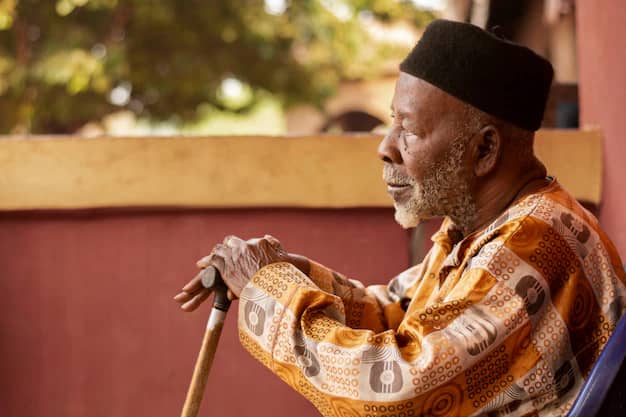
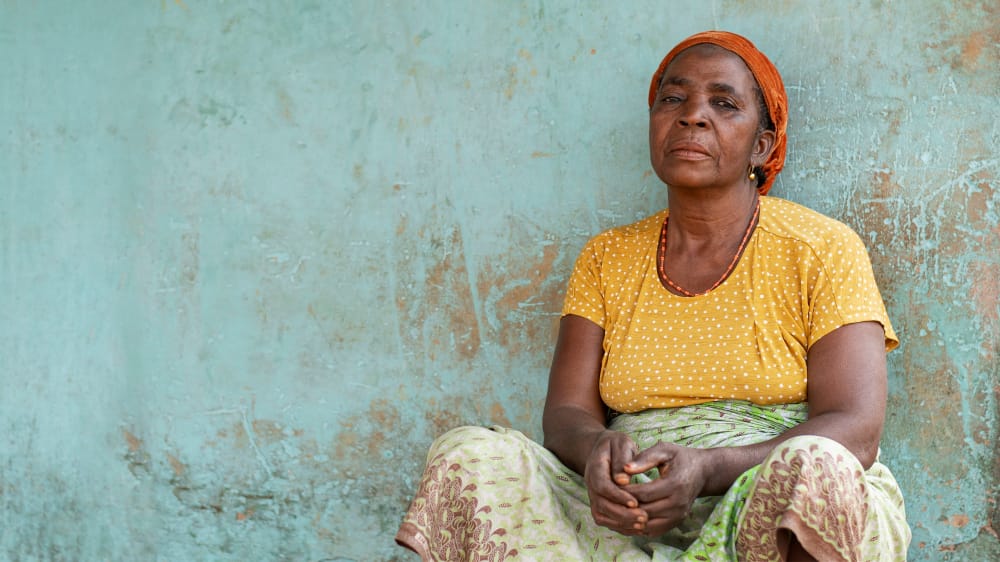
Parkinson’s Symptoms
Gain a better understanding of Parkinson’s with our straightforward guide to its motor and non-motor symptoms. Learn how identifying signs early can help you take control, navigate uncommon challenges, and access the support you need to live well every day.
Also, note that the Parkinson’s experience is unique for each person, as such symptoms differ for everyone, but understanding them helps you to recognise changes early and take proactive steps to manage the ones you experience to ensure that you can continue to live well and maintain a healthy quality of life.
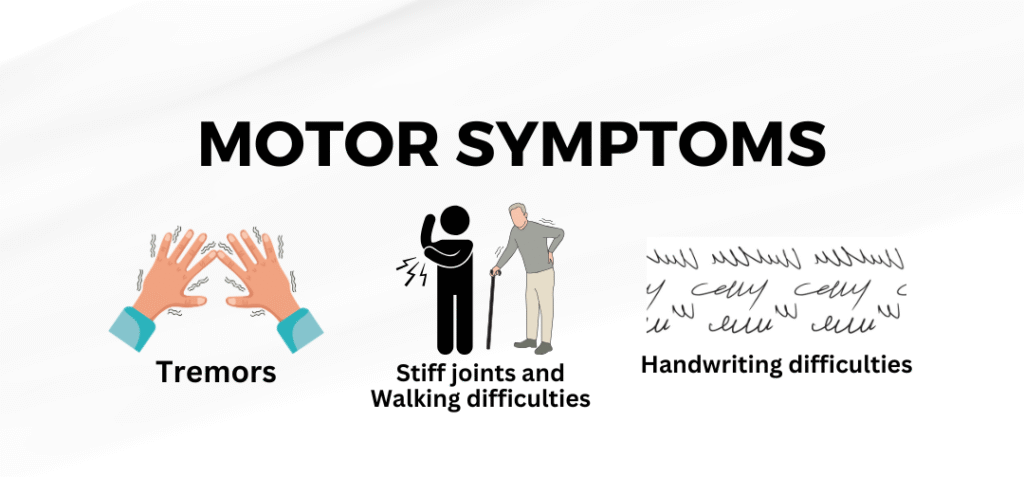
Motor Symptoms
Motor Symptoms are those that affect movement. These are the primary symptoms a Neurologist looks for, and they are:
- Tremors (the constant shaking of a person's arms and hands when they should be at rest)
-
Muscle rigidity and stiffness.
- Slow movement (also known as bradykinesia).
-
Postural inability (which shows balance problems and walking difficulties).
-
Face masking or decreased facial expressions.
-
Slurred speech, and slowed reactions and responses to sudden movements.
While the motor symptoms often receive the most focus and treatment, they typically don’t appear until many of the dopamine-producing nerve cells in the brain have already been destroyed.
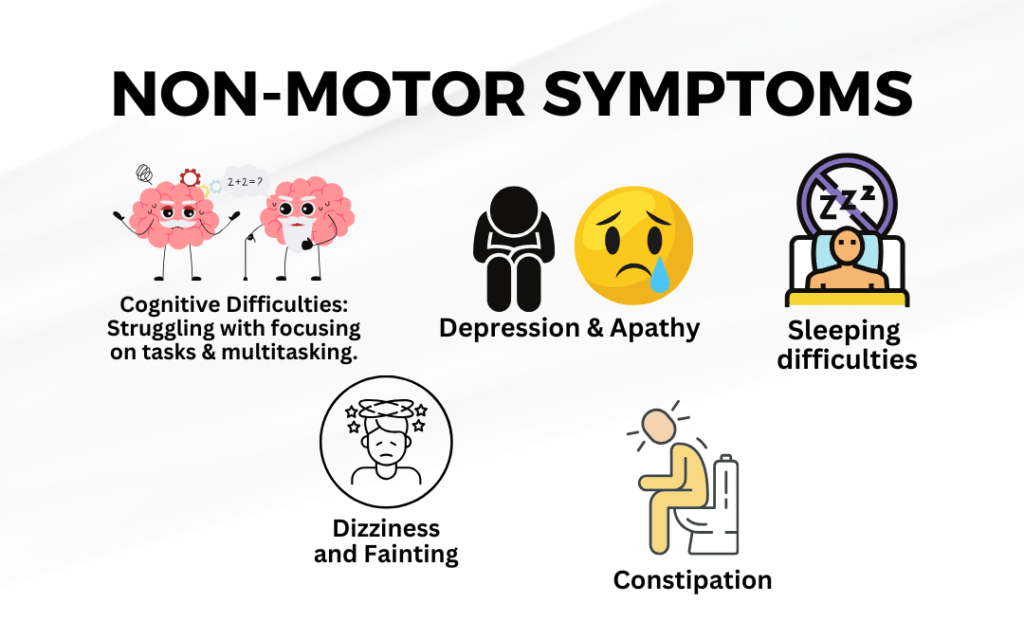
Non-Motor Symptoms
These are called ‘invisible symptoms’ because they are often missed; however, they often have an even greater impact on quality of life. In fact, these symptoms often outnumber motor symptoms and may appear years before movement changes become evident.
-
Mood disorders include apathy (lack of interest), anxiety (feeling worried), depression (feeling sad), and irritability (being easily upset).
-
Cognitive difficulties include difficulty in focusing, planning, paying attention, and multitasking.
-
Sleep disorders include insomnia (trouble falling asleep), disturbances during sleep, acting out dreams, and excessive daytime sleepiness.
-
Constipation.
Excessive saliva and drooling.
Dizziness and Fainting.
Within this collection of resources, you’ll find information on many common non-motor symptoms—including constipation, depression, anxiety, apathy, cognitive changes E.t.c
Management and Therapies
The Parkinson’s experience is unique to everyone, hence there is no one-size-fits-all plan for treatments and therapies. However, there are a wide range of medications, exercise, surgical operations, and complementary therapies to find the right combination for managing symptoms and improving quality of life.
At ADPF, we provide REHABILITATIVE CARE to persons living with Parkinson’s Disease. This care focuses on the following:
- Physiotherapy & Exercise Regimen
- Dance Therapy
- Rock-steady/Non-Contact Boxing
- The Overcoming Micrographia Program
You can learn more about our work here
Relevant Resources
- Understanding Parkinson’s Care and Management
- Evidence-Based Therapies for Parkinson’s Disease
- Your Guide to Understanding Parkinson’s Therapies
- Living Well with Parkinson’s: Management & Care Options
- Non-Contact Boxing: A Powerful Tool for Parkinson’s Disease Management